Table of Contents
- What Is a Porcelain Tile Threshold?
- Why Are Porcelain Thresholds Important in Flooring Projects?
- What Are the Benefits of Choosing Porcelain Over Other Threshold Materials?
- Where Can Porcelain Tile Thresholds Be Used?
- How Do You Choose the Right Porcelain Threshold for Your Project?
- What Should You Know Before Installing a Porcelain Threshold?
- What Are the Most Common Porcelain Threshold Installation Mistakes?
- How Do You Clean and Maintain Porcelain Tile Thresholds?
- Why Choose CRW Flooring Depot for Your Flooring Project?
- Frequently Asked Questions
What Is a Porcelain Tile Threshold?
When planning a flooring installation, homeowners often focus on the main flooring material while overlooking smaller finishing details. One of those important details is the porcelain tile threshold.
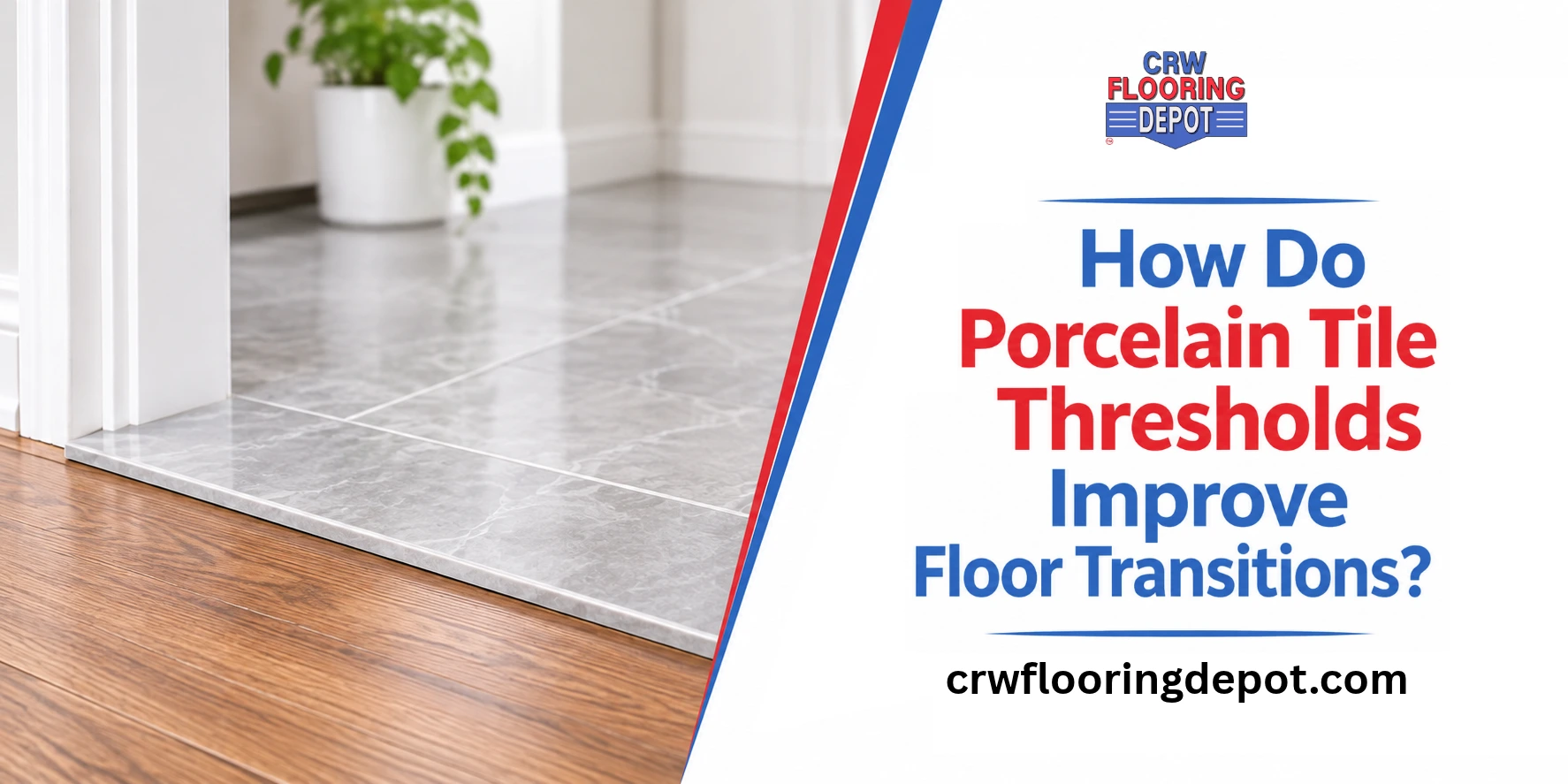
A porcelain threshold is a finishing piece typically installed at doorways or between adjoining flooring surfaces. Its purpose is to create a clean transition between spaces while providing a polished, professional appearance.
Depending on the design and application, porcelain thresholds can also help protect exposed tile edges and accommodate transitions between different flooring materials.
Porcelain thresholds come in various colors, sizes, and finishes, making them suitable for many residential and commercial projects.
Why does this matter? Because even the most beautiful flooring installation can look unfinished without the proper transitions. A carefully selected threshold helps connect the overall design and creates a more cohesive appearance throughout the space.
Why Are Porcelain Thresholds Important in Flooring Projects?
Flooring transitions may seem like minor details, but they play an important role in both appearance and functionality. When two rooms meet, there may be differences in flooring materials, thicknesses, or installation methods. A properly selected threshold can help create an appropriate transition between these surfaces.
Professional Appearance: Thresholds create a defined finishing point between rooms, helping flooring installations look intentional and complete.
Edge Protection: Certain threshold designs can help protect exposed flooring edges from everyday contact and damage.
Material Transitions: Thresholds can provide a transition between compatible flooring materials when selected for the specific installation.
Design Consistency: Choosing a threshold that complements surrounding tile can create a coordinated appearance.
Long-Term Performance: When installed correctly, a suitable threshold can contribute to the durability of the overall flooring transition.
For contractors, these details are particularly important because customers notice the quality of the finishing work. A professional flooring project should look complete from one room to the next.
What Are the Benefits of Choosing Porcelain Over Other Threshold Materials?
Thresholds are available in several materials, including natural stone, metal, wood, and porcelain. Each material has advantages depending on the installation. However, porcelain offers several characteristics that make it worth considering.
Durability: Porcelain is manufactured through a high-temperature firing process that produces a dense material. Quality porcelain products are designed to withstand everyday use when properly selected and installed.
Low Water Absorption: Porcelain generally has a low water absorption rate, making it a practical option for certain moisture-prone environments. However, the complete installation must still include appropriate waterproofing and sealing where required.
Design Versatility: Porcelain is available in a variety of colors, patterns, and finishes. This allows homeowners and contractors to coordinate thresholds with surrounding flooring materials.
Easy Maintenance: Porcelain typically requires minimal routine maintenance compared with some materials that may need periodic sealing or specialized care.
Long-Term Value: A properly installed porcelain threshold can provide lasting performance while maintaining an attractive appearance.
The bottom line: Porcelain thresholds combine practical functionality with design flexibility, making them an appealing choice for many flooring projects.
Where Can Porcelain Tile Thresholds Be Used?
Porcelain thresholds can be incorporated into different residential and commercial flooring applications. Their suitability depends on the specific product, location, and installation requirements.
Bathroom Doorways: Bathrooms are common locations for porcelain thresholds. They can create a clean transition between bathroom tile and adjoining flooring. Because bathrooms experience frequent moisture exposure, choosing appropriate materials and installation methods is especially important.
Kitchen Entrances: A porcelain threshold can help define the transition between a tiled kitchen and an adjoining room.
Laundry Rooms: Laundry rooms may benefit from durable, moisture-resistant finishing materials.
Hallways and Doorways: Thresholds can provide a finished appearance where flooring materials meet between rooms.
Commercial Spaces: Certain porcelain threshold products may be appropriate for commercial environments when their performance characteristics meet the project’s requirements.
Important consideration: Thresholds must be selected with attention to flooring heights, accessibility, movement requirements, and potential trip hazards. A decorative transition should never compromise safety or functionality.
How Do You Choose the Right Porcelain Threshold for Your Project?
Choosing the right threshold involves more than selecting a matching color. Homeowners and contractors should evaluate several factors before purchasing.
Consider the Flooring Height: Measure the finished height of both adjoining flooring surfaces. An unsuitable threshold can create an uneven transition or unnecessary trip hazard.
Select the Appropriate Dimensions: Threshold width, length, and thickness should match the intended installation. Accurate measurements help prevent unnecessary cutting and installation complications.
Coordinate Colors and Finishes: Some homeowners prefer thresholds that blend with surrounding tile. Others choose contrasting colors to create a defined visual transition. Both approaches can work depending on the design.
Evaluate the Installation Environment: Consider whether the threshold will be exposed to moisture, heavy traffic, or frequent cleaning.
Check Product Specifications: Not every porcelain threshold is manufactured for the same application. Always confirm the manufacturer’s recommendations before installation.
Contractor Tip: Review threshold requirements during the planning stage rather than waiting until the main flooring installation is nearly complete. This can help avoid last-minute material changes and installation delays.
What Should You Know Before Installing a Porcelain Threshold?
Proper preparation is essential for achieving a durable, professional installation. Before installing a porcelain threshold, contractors should evaluate the substrate, flooring heights, and surrounding materials.
Substrate Preparation: The installation surface should be clean, stable, and suitable for the selected setting materials. An unstable or poorly prepared substrate may contribute to cracking or bond failure.
Proper Measurements: Measure the doorway and verify the dimensions of the threshold before cutting or installation.
Appropriate Setting Materials: Use bonding materials compatible with the threshold, substrate, and intended application. Always follow the manufacturer’s installation instructions.
Movement Accommodation: Flooring systems may require movement joints or other accommodations. These requirements should not be ignored or improperly filled with rigid materials.
Waterproofing Considerations: For bathroom and other wet-area applications, the threshold must be incorporated into the appropriate waterproofing system. A porcelain threshold alone does not make an installation waterproof.
Safety and Accessibility: Transitions should comply with applicable building codes and accessibility requirements.
Professional Advice: Correct installation techniques are just as important as the quality of the threshold itself.
What Are the Most Common Porcelain Threshold Installation Mistakes?
Even small finishing pieces require careful installation. Several common mistakes can affect the appearance and performance of porcelain thresholds.
Mistake #1: Incorrect Measurements. Purchasing a threshold without confirming doorway dimensions can result in poor fit or unnecessary material waste. Solution: Measure carefully before selecting and cutting the product.
Mistake #2: Ignoring Flooring Height Differences. An improperly selected threshold may create an uncomfortable or unsafe transition. Solution: Evaluate the finished elevations of adjoining flooring surfaces before installation.
Mistake #3: Poor Substrate Preparation. Dust, debris, movement, or unsuitable substrate conditions can interfere with proper bonding. Solution: Prepare the installation surface according to applicable product and industry requirements.
Mistake #4: Using Incompatible Installation Materials. Not every adhesive or mortar is suitable for every threshold application. Solution: Verify compatibility with the threshold manufacturer and installation system.
Mistake #5: Overlooking Movement Requirements. Rigidly bridging areas that require movement accommodation can contribute to cracking or other failures. Solution: Follow applicable movement-joint recommendations.
Mistake #6: Forgetting the Finishing Details. Uneven alignment, poorly finished edges, and inconsistent joints can reduce the overall quality of the installation. Solution: Pay attention to alignment, spacing, and the final appearance.
For professional contractors, avoiding these mistakes helps deliver a cleaner, more reliable result.
How Do You Clean and Maintain Porcelain Tile Thresholds?
One of the advantages of porcelain is its relatively simple maintenance. With appropriate care, porcelain thresholds can maintain their appearance for years.
Regular Cleaning: Remove dust and debris using a soft cloth, mop, or other nonabrasive cleaning method.
Use Suitable Cleaning Products: Choose cleaning products recommended for the specific porcelain finish. Avoid aggressive chemicals or abrasive materials that could damage the surface or surrounding installation materials.
Inspect Surrounding Joints: Check grout and flexible sealant joints periodically for signs of deterioration. Address maintenance issues before they develop into larger problems.
Avoid Excessive Impact: Although porcelain is durable, sharp impacts or concentrated loads may cause chips or cracks.
Follow Manufacturer Recommendations: Different finishes and installation systems may have specific care requirements. Following these recommendations helps preserve the appearance and performance of the threshold.
Maintenance Tip: Regular cleaning and periodic inspection are simple ways to protect the finishing details of a flooring installation.
Why Choose CRW Flooring Depot for Your Flooring Project?
At CRW Flooring Depot, we understand that successful flooring projects depend on more than choosing beautiful tile. The installation materials, transitions, trims, and finishing details all contribute to the final result.
Whether you’re a professional contractor working on multiple projects or a homeowner planning a renovation, having access to the right flooring materials is essential.
Flooring Solutions for Different Projects: CRW Flooring Depot offers flooring products and installation supplies for residential and commercial projects.
Products for Contractors and Homeowners: From porcelain tile to flooring accessories, customers can explore materials for different project requirements.
Attention to Finishing Details: A professional installation requires careful consideration of every component, including flooring transitions and thresholds.
Convenient Location in Westland, Michigan: Our Westland location serves customers looking for flooring materials and project supplies in the Metro Detroit area.
Contractors Welcome! We welcome professional contractors and homeowners who want practical flooring solutions for their projects.
Complete Your Flooring Project with CRW Flooring Depot
The smallest details can make a big difference in the finished appearance of a flooring installation.
Porcelain tile thresholds are one example of how thoughtful material selection can contribute to a cleaner, more professional result.
Whether you’re planning a bathroom renovation, updating flooring transitions, or completing a commercial project, choosing appropriate finishing materials is an important part of the process.
Visit CRW Flooring Depot to explore flooring products and ask about available threshold and installation solutions.
31313 Airport TrailWestland, MI 48185
Phone: 734-956-6847
CONTRACTORS WELCOME!
CRW Flooring Depot — Floors for a Brighter Tomorrow.
Frequently Asked Questions
Are porcelain thresholds waterproof?
Porcelain generally has low water absorption, but a porcelain threshold does not create a waterproof installation by itself. Wet areas require an appropriate waterproofing system and properly detailed joints.
Can porcelain thresholds be used between tile and vinyl flooring?
In some applications, yes. However, the threshold must be compatible with the adjoining flooring materials, finished heights, and movement requirements. Floating vinyl flooring, for example, may require specific transition details that should not restrict necessary movement.
Are porcelain thresholds suitable for high-traffic areas?
Certain porcelain threshold products may be suitable for high-traffic environments. Product specifications and installation requirements should be reviewed before selection.
Can a cracked porcelain threshold be repaired?
Minor cosmetic damage may sometimes be addressed, but significant cracks or loose thresholds may require replacement. The underlying cause should be identified before repairs are made.
Do porcelain thresholds need to match the floor tile?
Not necessarily. A threshold can coordinate with surrounding flooring or provide a deliberate contrast. The best choice depends on the overall design.
Can homeowners install porcelain thresholds themselves?
Some installations may be manageable for experienced DIY homeowners. However, projects involving wet areas, complex transitions, movement requirements, or accessibility considerations may benefit from professional installation.